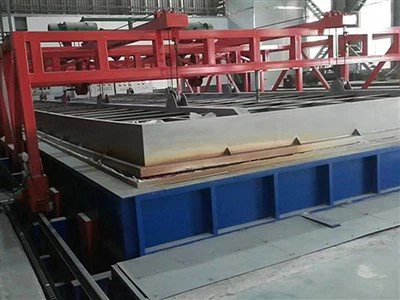
In the industrial landscape, Mesh Belt Gas Furnaces play a pivotal role in various heat - treatment processes. As a leading supplier of Mesh Belt Gas Furnaces, we understand the critical importance of safety interlocks in these complex systems. Safety interlocks are not just additional features; they are essential components that ensure the safe and efficient operation of the furnace.
Understanding Mesh Belt Gas Furnaces
Before delving into the safety interlocks, it's crucial to have a basic understanding of Mesh Belt Gas Furnaces. These furnaces are designed to heat materials as they are transported on a mesh belt through the heating chamber. They are widely used in industries such as automotive, aerospace, and metalworking for processes like annealing, hardening, and tempering. You can learn more about our Mesh Belt Gas Furnace on our website.
The Role of Safety Interlocks
Safety interlocks are mechanisms that prevent the furnace from operating under unsafe conditions. They act as a failsafe to protect both the equipment and the operators. By ensuring that certain conditions are met before the furnace starts or continues to operate, safety interlocks significantly reduce the risk of accidents, such as fires, explosions, and overheating.
Types of Safety Interlocks in Mesh Belt Gas Furnaces
1. Gas Supply Interlocks
One of the most critical safety interlocks in a Mesh Belt Gas Furnace is related to the gas supply. Gas is the primary fuel source for these furnaces, and any malfunction in the gas supply can lead to dangerous situations.
- Pressure Sensors: These sensors monitor the gas pressure in the supply line. If the pressure drops below or exceeds a safe range, the interlock system will shut off the gas supply. This prevents the furnace from operating with an improper gas - air mixture, which could lead to incomplete combustion or even an explosion.
- Flow Sensors: Flow sensors measure the rate of gas flow into the furnace. If the flow rate is abnormal, indicating a possible leak or blockage, the interlock will cut off the gas supply. This helps to prevent gas leaks, which can be extremely hazardous.
2. Temperature Interlocks
Maintaining the correct temperature is crucial for the proper operation of a Mesh Belt Gas Furnace. Temperature interlocks ensure that the furnace does not overheat or operate at temperatures outside the specified range.
- Thermocouples: Thermocouples are used to measure the temperature inside the furnace. If the temperature exceeds the set limit, the interlock system will shut off the heating elements or reduce the gas supply to bring the temperature back to a safe level. This protects the furnace components from damage and prevents the materials being processed from being over - heated.
- Over - temperature Switches: These are additional safety devices that act as a backup to the thermocouples. In case the thermocouples fail, the over - temperature switch will detect an excessive temperature and shut down the furnace immediately.
3. Belt Movement Interlocks
The mesh belt is an integral part of the furnace, and its proper movement is essential for the efficient operation of the system.


- Belt Speed Sensors: These sensors monitor the speed of the mesh belt. If the belt speed is too slow or too fast, the interlock system will stop the furnace operation. This ensures that the materials are heated for the correct amount of time and prevents damage to the belt and the furnace.
- Belt Tension Sensors: Maintaining the proper tension of the mesh belt is crucial. Belt tension sensors detect any changes in the belt tension. If the tension is too high or too low, the interlock will stop the belt movement and alert the operator.
4. Door Interlocks
The doors of the Mesh Belt Gas Furnace are another area where safety interlocks are essential.
- Door Position Sensors: These sensors detect whether the doors are open or closed. If the doors are open during furnace operation, the interlock system will shut off the heating elements and the gas supply. This prevents heat loss and the release of harmful gases into the environment.
- Safety Latches: Safety latches are mechanical interlocks that prevent the doors from being opened accidentally during furnace operation. They ensure that the doors can only be opened when the furnace has cooled down to a safe temperature.
Importance of Regular Maintenance of Safety Interlocks
Safety interlocks are only effective if they are properly maintained. Regular maintenance of these interlocks is essential to ensure their reliable operation. This includes inspecting the sensors, testing the interlock functions, and replacing any worn - out components. By performing regular maintenance, we can prevent potential safety hazards and ensure the long - term performance of the Mesh Belt Gas Furnace.
Comparison with Other Gas Furnaces
While Mesh Belt Gas Furnaces have their unique set of safety interlocks, it's interesting to compare them with other types of gas furnaces, such as Well Type Gas Furnace and Rotary Gas Fired Furnace. Each type of furnace has its own design and operating requirements, which result in different safety interlock configurations.
Well Type Gas Furnaces, for example, are often used for batch processing. Their safety interlocks may focus more on ensuring the proper sealing of the well to prevent gas leakage and maintaining the correct temperature inside the well. Rotary Gas Fired Furnaces, on the other hand, have a rotating chamber, and their safety interlocks need to account for the movement of the chamber and the proper distribution of heat.
Conclusion
In conclusion, safety interlocks are an indispensable part of Mesh Belt Gas Furnaces. They provide a high level of protection for the equipment, the operators, and the environment. As a supplier, we are committed to providing high - quality Mesh Belt Gas Furnaces with reliable safety interlocks. We continuously invest in research and development to improve the safety features of our furnaces and ensure that they meet the highest industry standards.
If you are in the market for a Mesh Belt Gas Furnace or have any questions about our products and their safety interlocks, we encourage you to contact us for a detailed discussion. Our team of experts is ready to assist you in finding the right solution for your specific needs.
References
- "Industrial Furnace Handbook: Principles, Design, and Operation" by Peter W. Kittel
- "Heat Treatment Furnaces: Design, Control, and Operation" by Richard A. Grubb