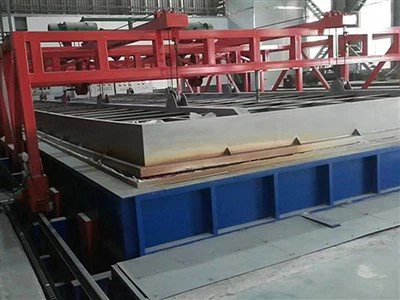
Is it possible to use a Rotary Resistance Furnace for forging pre - heating?
In the realm of metal forging, pre - heating is a crucial step that significantly impacts the quality and efficiency of the forging process. The choice of the pre - heating equipment can determine the success of the entire operation. As a supplier of Rotary Resistance Furnaces, I am often asked whether it is possible to use our Rotary Resistance Furnaces for forging pre - heating. In this blog, I will delve into this question, exploring the technical aspects, advantages, and potential challenges of using a Rotary Resistance Furnace for forging pre - heating.
Technical Feasibility
Rotary Resistance Furnaces operate on the principle of resistance heating. An electric current passes through a resistive element, generating heat that is transferred to the workpiece. This method of heating is highly controllable, allowing for precise temperature regulation.
When it comes to forging pre - heating, the ability to achieve and maintain a uniform temperature is essential. Rotary Resistance Furnaces are designed with a rotating chamber, which ensures that the workpieces are evenly exposed to the heat source. This rotation helps to eliminate hot and cold spots, resulting in a more consistent pre - heating process.
The temperature range of a Rotary Resistance Furnace can typically be adjusted to meet the specific requirements of different forging materials. For example, steels often require pre - heating temperatures ranging from 800°C to 1200°C, and a well - designed Rotary Resistance Furnace can easily reach and maintain these temperatures.
Advantages of Using a Rotary Resistance Furnace for Forging Pre - heating
1. Energy Efficiency
Compared to some other types of furnaces, Rotary Resistance Furnaces are relatively energy - efficient. The rotating chamber design allows for better heat transfer, reducing the amount of energy wasted. Additionally, the precise temperature control means that the furnace only consumes the necessary amount of energy to maintain the desired pre - heating temperature.
2. Uniform Heating
As mentioned earlier, the rotation of the chamber ensures that all workpieces receive an equal amount of heat. This uniform heating is crucial for forging, as it helps to prevent internal stresses and cracks in the workpiece during the forging process.
3. Flexibility
Rotary Resistance Furnaces can be used for a variety of forging materials, including different types of steels, alloys, and non - ferrous metals. This flexibility makes them a versatile choice for forging shops that work with a range of materials.
4. Automation Compatibility
Modern Rotary Resistance Furnaces can be easily integrated into automated forging lines. This allows for seamless operation, reducing the need for manual intervention and improving overall productivity.
Potential Challenges
1. Initial Investment
The cost of purchasing a Rotary Resistance Furnace can be relatively high compared to some other types of pre - heating equipment. However, it is important to consider the long - term benefits, such as energy savings and improved product quality, which can offset the initial investment.
2. Maintenance
Like any piece of industrial equipment, Rotary Resistance Furnaces require regular maintenance to ensure optimal performance. This includes checking and replacing resistive elements, lubricating moving parts, and monitoring temperature sensors.
3. Size Limitations
The size of the Rotary Resistance Furnace may limit the size of the workpieces that can be pre - heated. For very large forgings, alternative pre - heating methods or larger furnaces may be required.
Comparison with Other Types of Resistance Furnaces
There are several other types of resistance furnaces commonly used in forging pre - heating, such as Well Type Resistance Furnace, Continuous Mesh Belt Furnace, and Pit Type Resistance Furnace.
Well Type Resistance Furnaces are suitable for pre - heating long and slender workpieces. They have a vertical design, which allows for easy loading and unloading. However, they may not provide the same level of uniform heating as a Rotary Resistance Furnace due to the lack of rotation.
Continuous Mesh Belt Furnaces are ideal for high - volume production. They use a conveyor belt to move the workpieces through the furnace, providing a continuous pre - heating process. However, they may not be as flexible as Rotary Resistance Furnaces when it comes to handling different sizes and shapes of workpieces.


Pit Type Resistance Furnaces are often used for large - scale forgings. They are installed below the ground level, which can save floor space. However, they may have limitations in terms of temperature uniformity and ease of access for maintenance.
Conclusion
In conclusion, it is indeed possible to use a Rotary Resistance Furnace for forging pre - heating. The technical features of the Rotary Resistance Furnace, such as its uniform heating, energy efficiency, and flexibility, make it a viable option for many forging applications. While there are some challenges, such as the initial investment and maintenance requirements, the long - term benefits often outweigh these drawbacks.
If you are in the forging industry and are looking for a reliable pre - heating solution, I encourage you to consider our Rotary Resistance Furnaces. Our team of experts is available to provide you with more information and guidance on how our furnaces can meet your specific needs. Contact us today to start a discussion about your forging pre - heating requirements and explore the possibilities of using our Rotary Resistance Furnaces.
References
- "Handbook of Metal Forming Processes", John Wiley & Sons
- "Heat Treatment Principles and Techniques", ASM International