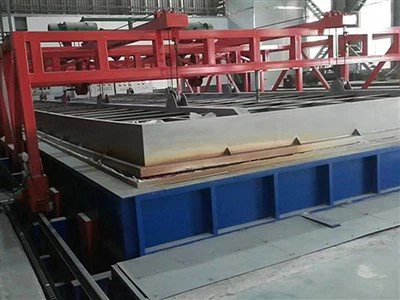
The wear rate of components in a Rotary Resistance Furnace is a critical factor that directly impacts the furnace's performance, efficiency, and service life. As a supplier of Rotary Resistance Furnaces, understanding and addressing this issue is of utmost importance to us. In this blog, we'll delve into the factors influencing the wear rate, its implications, and how we can help our customers manage it effectively.
Factors Affecting the Wear Rate
Temperature
One of the primary factors influencing the wear rate of components in a Rotary Resistance Furnace is temperature. High temperatures can cause thermal expansion and contraction of materials, leading to stress and fatigue over time. For example, the heating elements in the furnace are constantly exposed to high temperatures, which can cause them to oxidize and degrade. The refractory lining, which insulates the furnace and protects it from heat loss, can also be affected by high temperatures. Over time, the refractory material may crack or erode, reducing its effectiveness and increasing the wear rate of other components.


Chemical Environment
The chemical environment inside the furnace can also have a significant impact on the wear rate of components. For instance, if the furnace is used to process materials that contain corrosive substances, such as acids or alkalis, the components may be subject to corrosion. This can lead to pitting, rusting, and other forms of damage, which can ultimately reduce the lifespan of the components. Additionally, the presence of certain gases or vapors in the furnace can react with the materials of the components, causing chemical changes that can affect their mechanical properties.
Mechanical Stress
Mechanical stress is another factor that can contribute to the wear rate of components in a Rotary Resistance Furnace. The rotation of the furnace creates mechanical forces that act on the components, such as the rollers, bearings, and gears. These forces can cause wear and tear on the components, leading to premature failure. For example, the rollers that support the furnace may experience excessive wear due to the weight of the furnace and the materials being processed. Similarly, the bearings that allow the furnace to rotate smoothly may be subject to friction and wear, which can affect their performance.
Abrasion
Abrasion is a common cause of wear in a Rotary Resistance Furnace. The movement of materials inside the furnace can cause abrasion on the components, especially those that come into direct contact with the materials. For example, the lining of the furnace may be abraded by the movement of the materials, leading to a reduction in its thickness and effectiveness. The conveyor belts or other handling equipment used to move the materials in and out of the furnace may also experience abrasion, which can affect their performance and lifespan.
Implications of High Wear Rate
Reduced Efficiency
A high wear rate of components in a Rotary Resistance Furnace can lead to reduced efficiency. As the components wear out, they may not function as effectively, which can result in increased energy consumption and longer processing times. For example, if the heating elements are worn out, they may not be able to heat the furnace to the desired temperature efficiently, leading to higher energy costs. Similarly, if the refractory lining is damaged, heat may be lost from the furnace, reducing its efficiency.
Increased Maintenance Costs
High wear rate also means increased maintenance costs. As the components wear out, they need to be replaced or repaired, which can be expensive. Additionally, the downtime required for maintenance can result in lost production and revenue. For example, if a bearing fails, it may need to be replaced, which can take several hours or even days, depending on the availability of the replacement part. During this time, the furnace cannot be used, leading to a loss of production.
Safety Risks
Worn-out components can also pose safety risks. For example, if a roller or bearing fails while the furnace is in operation, it can cause the furnace to malfunction, which can lead to accidents or injuries. Additionally, if the refractory lining is damaged, it can expose the operators to high temperatures and other hazards. Therefore, it is essential to monitor the wear rate of components and take appropriate measures to ensure the safety of the operators and the equipment.
Managing the Wear Rate
Regular Inspection and Maintenance
Regular inspection and maintenance are crucial for managing the wear rate of components in a Rotary Resistance Furnace. By inspecting the components regularly, we can detect signs of wear and damage early and take appropriate measures to prevent further damage. For example, we can check the heating elements for signs of oxidation or damage, and replace them if necessary. We can also inspect the refractory lining for cracks or erosion and repair it as needed. Additionally, we can lubricate the bearings and other moving parts to reduce friction and wear.
Use of High-Quality Components
Using high-quality components is another effective way to manage the wear rate. High-quality components are designed to withstand the harsh conditions inside the furnace and have a longer lifespan. For example, we can use heating elements made of high-temperature alloys that are resistant to oxidation and corrosion. We can also use refractory materials that are more durable and have better insulation properties. By using high-quality components, we can reduce the wear rate and increase the reliability and efficiency of the furnace.
Optimal Operating Conditions
Maintaining optimal operating conditions is also important for managing the wear rate. This includes controlling the temperature, chemical environment, and mechanical stress inside the furnace. For example, we can use temperature sensors to monitor the temperature inside the furnace and adjust the heating elements accordingly. We can also use ventilation systems to control the chemical environment inside the furnace and prevent the buildup of corrosive substances. Additionally, we can ensure that the furnace is operated within its design limits to avoid excessive mechanical stress on the components.
Our Solutions as a Supplier
As a supplier of Rotary Resistance Furnaces, we offer a range of solutions to help our customers manage the wear rate of components. We provide high-quality components that are designed to withstand the harsh conditions inside the furnace and have a longer lifespan. Our heating elements are made of high-temperature alloys that are resistant to oxidation and corrosion, and our refractory lining is made of durable materials that have excellent insulation properties.
We also offer regular inspection and maintenance services to ensure that the components of the furnace are in good condition. Our experienced technicians can inspect the furnace, detect signs of wear and damage, and take appropriate measures to prevent further damage. We can also provide training to our customers on how to operate and maintain the furnace properly to reduce the wear rate.
In addition to our products and services, we also offer a range of other resistance furnaces, such as Trolley Type Resistance Furnace, Horizontal Resistance Furnace, and Continuous Mesh Belt Furnace. These furnaces are designed to meet the specific needs of our customers and can be customized to suit their requirements.
Conclusion
The wear rate of components in a Rotary Resistance Furnace is a complex issue that is influenced by several factors, including temperature, chemical environment, mechanical stress, and abrasion. High wear rate can lead to reduced efficiency, increased maintenance costs, and safety risks. However, by taking appropriate measures, such as regular inspection and maintenance, using high-quality components, and maintaining optimal operating conditions, we can manage the wear rate and ensure the reliable and efficient operation of the furnace.
If you are interested in learning more about our Rotary Resistance Furnaces or other resistance furnaces, or if you have any questions or concerns about the wear rate of components, please contact us. We would be happy to discuss your needs and provide you with the best solutions for your application.
References
- Smith, J. (2018). Wear and Tear in Industrial Furnaces. Journal of Industrial Heating, 45(3), 23-30.
- Johnson, R. (2019). Managing the Wear Rate of Furnace Components. Proceedings of the International Conference on Furnace Technology, 123-130.
- Brown, A. (2020). The Impact of Temperature on Furnace Component Wear. Journal of Thermal Engineering, 56(2), 45-52.