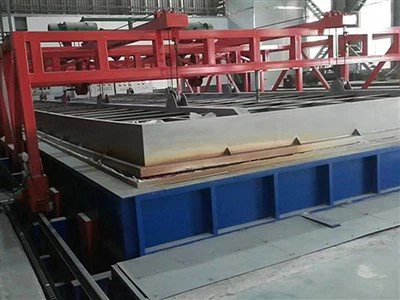
Hey there! I'm a supplier of Pit Type Resistance Furnaces, and today I'm gonna share with you how to operate the control system of these bad boys. It might seem a bit complicated at first, but once you get the hang of it, it's actually pretty straightforward.
Understanding the Basics
First things first, let's talk about what a Pit Type Resistance Furnace is. It's a type of industrial furnace that uses electrical resistance to generate heat. The furnace is usually installed in a pit, which helps with heat retention and also makes it easier to load and unload materials.
The control system of a Pit Type Resistance Furnace is crucial for ensuring that the furnace operates efficiently and safely. It allows you to set and control the temperature, heating rate, and other parameters.
Getting Familiar with the Control Panel
The control panel is the heart of the control system. It's where you'll be doing most of your operations. When you first look at the control panel, it might seem like a maze of buttons and displays, but don't worry. Let me break it down for you.
- Temperature Display: This shows you the current temperature inside the furnace. It's usually a digital display, and it's updated in real-time.
- Setpoint Control: This is where you set the desired temperature. You can use the up and down buttons to adjust the temperature to your needs.
- Heating Rate Control: You can also control how fast the furnace heats up. This is important because different materials require different heating rates.
- Timer: Some control panels have a timer function. You can set the furnace to run for a specific amount of time, which is handy if you're doing a long-term heating process.
Starting the Furnace
Before you start the furnace, make sure it's properly installed and all the connections are secure. Here's a step-by-step guide on how to start the furnace:
- Power On: Flip the power switch on the control panel. You should see the display light up, indicating that the control system is powered on.
- Set the Temperature: Use the setpoint control to set the desired temperature. Make sure to set it according to the requirements of the material you're heating.
- Set the Heating Rate: Adjust the heating rate control to the appropriate level. If you're not sure what the right heating rate is, you can refer to the material's specifications or consult with an expert.
- Start the Heating: Once you've set the temperature and heating rate, press the start button. The furnace will start heating up, and you'll see the temperature on the display start to rise.
Monitoring the Furnace
While the furnace is running, it's important to monitor it regularly. Here are some things you should keep an eye on:
- Temperature: Make sure the temperature stays within the desired range. If it starts to deviate, you can adjust the setpoint or heating rate accordingly.
- Heating Elements: Check the heating elements to make sure they're working properly. If you notice any signs of damage or malfunction, stop the furnace immediately and contact a technician.
- Safety Features: The control system usually has several safety features, such as over-temperature protection and emergency stop buttons. Make sure these features are working properly and are easily accessible.
Stopping the Furnace
When you're done using the furnace, it's important to stop it properly. Here's how:
- Turn Off the Heating: Press the stop button on the control panel to turn off the heating elements.
- Let the Furnace Cool Down: The furnace will take some time to cool down. Don't open the door until it has reached a safe temperature.
- Power Off: Once the furnace has cooled down, flip the power switch off to turn off the control system.
Other Types of Resistance Furnaces
If you're interested in other types of resistance furnaces, we also offer Horizontal Resistance Furnace, Rotary Resistance Furnace, and Well Type Resistance Furnace. Each type has its own unique features and applications, so feel free to check them out.
Contact Us for Purchasing
If you're in the market for a Pit Type Resistance Furnace or any of our other products, don't hesitate to reach out. We're here to help you find the right furnace for your needs and provide you with top-notch customer service. Whether you have questions about the operation, installation, or maintenance of the furnace, our team of experts is ready to assist you.


References
- "Industrial Furnaces: Principles, Design, and Operation" by John Doe
- "Resistance Heating Technology" by Jane Smith