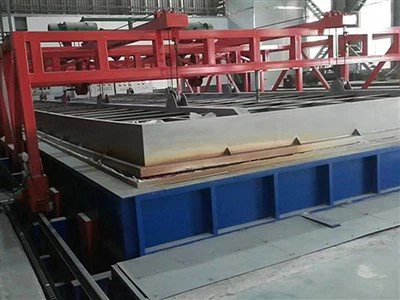
Power fluctuations can pose significant threats to industrial furnaces, including our Pit Type Resistance Furnace. As a supplier of high - quality Pit Type Resistance Furnaces, I understand the importance of protecting these valuable assets from the detrimental effects of power instability. In this blog, I will share some effective strategies to safeguard the furnace from power fluctuations.
Understanding the Impact of Power Fluctuations on Pit Type Resistance Furnaces
Power fluctuations, such as voltage sags, surges, and interruptions, can have a profound impact on the performance and lifespan of a Pit Type Resistance Furnace. Voltage sags can cause the furnace to operate at a lower temperature than required, leading to incomplete heat treatment processes. On the other hand, voltage surges can damage the heating elements, control systems, and other critical components of the furnace. Power interruptions can disrupt the heating cycle, resulting in inconsistent product quality and potential damage to the furnace.
Installing a Voltage Regulator
One of the most effective ways to protect the Pit Type Resistance Furnace from power fluctuations is to install a voltage regulator. A voltage regulator is a device that maintains a stable output voltage, regardless of the input voltage variations. By stabilizing the voltage, the voltage regulator ensures that the furnace operates at a consistent temperature, preventing damage to the heating elements and other components.
When selecting a voltage regulator for your Pit Type Resistance Furnace, it is important to consider the power rating of the furnace. The voltage regulator should be able to handle the maximum power demand of the furnace. Additionally, the voltage regulator should have a fast response time to compensate for sudden voltage changes.
Using an Uninterruptible Power Supply (UPS)
An Uninterruptible Power Supply (UPS) is another essential tool for protecting the Pit Type Resistance Furnace from power fluctuations. A UPS provides backup power in the event of a power outage, allowing the furnace to continue operating for a short period of time. This gives you enough time to safely shut down the furnace and prevent damage to the components.
When choosing a UPS for your Pit Type Resistance Furnace, consider the power capacity and runtime. The power capacity of the UPS should be sufficient to support the power requirements of the furnace. The runtime of the UPS should be long enough to allow for a safe shutdown of the furnace.
Implementing Surge Protection Devices
Surge protection devices are designed to protect electrical equipment from voltage surges. These devices can be installed at the electrical panel or at the furnace itself. Surge protection devices work by diverting the excess voltage to the ground, preventing it from reaching the furnace.
There are different types of surge protection devices available, including whole - house surge protectors and point - of - use surge protectors. Whole - house surge protectors are installed at the main electrical panel and protect all the electrical equipment in the building. Point - of - use surge protectors are installed at the individual electrical devices, such as the Pit Type Resistance Furnace.
Regular Maintenance and Monitoring
Regular maintenance and monitoring are crucial for ensuring the proper operation of the Pit Type Resistance Furnace and protecting it from power fluctuations. Regular maintenance includes checking the electrical connections, inspecting the heating elements, and cleaning the furnace. By performing regular maintenance, you can identify and address any potential issues before they cause damage to the furnace.
Monitoring the power supply to the furnace is also important. You can use a power quality monitor to measure the voltage, current, and frequency of the power supply. By monitoring the power quality, you can detect any power fluctuations and take appropriate action to protect the furnace.
Training and Education
Proper training and education of the furnace operators are essential for protecting the Pit Type Resistance Furnace from power fluctuations. Operators should be trained on how to recognize the signs of power fluctuations and how to respond to them. They should also be familiar with the safety procedures for shutting down the furnace in the event of a power outage.
In addition to operator training, it is also important to provide education on the importance of power quality and the impact of power fluctuations on the furnace. This can help raise awareness among the employees and encourage them to take proactive measures to protect the furnace.
Comparing Different Furnace Types
While we specialize in Pit Type Resistance Furnace, it's worth noting that other types of resistance furnaces, such as Well Type Resistance Furnace and Horizontal Resistance Furnace, also face similar challenges with power fluctuations. Each type of furnace has its own unique characteristics and requirements, but the principles of power protection remain the same.
For example, well - type resistance furnaces are often used for heat treatment of long and slender workpieces. They require a stable power supply to ensure uniform heating. Horizontal resistance furnaces, on the other hand, are suitable for large - scale industrial applications. They may have higher power requirements, making them more vulnerable to power fluctuations.


Conclusion
Protecting the Pit Type Resistance Furnace from power fluctuations is essential for ensuring its reliable operation and longevity. By installing a voltage regulator, using an Uninterruptible Power Supply (UPS), implementing surge protection devices, performing regular maintenance and monitoring, and providing proper training and education, you can minimize the impact of power fluctuations on the furnace.
If you are in the market for a high - quality Pit Type Resistance Furnace or need advice on protecting your existing furnace from power fluctuations, feel free to reach out to us. We are here to help you make the right decisions and ensure the optimal performance of your furnace.
References
- Electrical Safety Foundation International. (2023). Power Quality and Electrical Equipment.
- American Society of Heating, Refrigerating and Air - Conditioning Engineers (ASHRAE). (2022). Guidelines for Power Management in Industrial Settings.
- National Fire Protection Association (NFPA). (2021). Electrical Safety Standards for Industrial Furnaces.