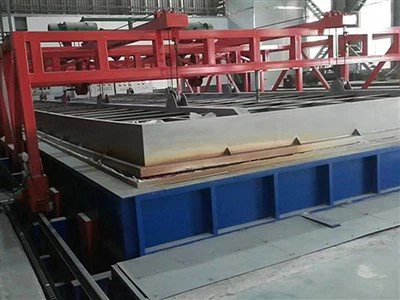
Storing a rotary gas fired furnace when it's not in use is crucial to ensure its longevity and maintain its performance. As a supplier of Rotary Gas Fired Furnaces, I've seen firsthand how proper storage can save you a lot of hassle and money down the line.
Why Proper Storage Matters
First off, let's talk about why storing your furnace correctly is so important. A rotary gas fired furnace is a complex piece of equipment with many moving parts and sensitive components. If it's not stored properly, it can be damaged by factors like moisture, dust, and corrosion. This can lead to costly repairs or even render the furnace unusable.
Pre - Storage Preparation
Before you store your rotary gas fired furnace, there are a few steps you need to take.


Cleaning
The first thing you should do is give the furnace a thorough cleaning. Remove any debris, dust, or residue from the interior and exterior of the furnace. Pay special attention to the burners, heat exchangers, and ventilation systems. Use a soft brush and a mild cleaning solution to avoid damaging the components.
Inspection
Next, conduct a detailed inspection of the furnace. Check for any signs of wear and tear, such as cracks, leaks, or loose connections. If you find any issues, it's best to address them before storing the furnace. This will prevent further damage during storage.
Maintenance
Perform any necessary maintenance tasks, such as lubricating moving parts, replacing worn - out gaskets, and checking the gas supply system. This will help keep the furnace in good working condition while it's in storage.
Choosing the Right Storage Location
The location where you store your rotary gas fired furnace is just as important as the preparation steps.
Dry and Ventilated Area
You should choose a dry and well - ventilated area. Moisture can cause rust and corrosion, which can damage the furnace's metal components. A well - ventilated area helps prevent the build - up of harmful gases and reduces the risk of fire.
Protection from Elements
Make sure the storage area is protected from the elements. If possible, store the furnace indoors. If you have to store it outdoors, use a weatherproof cover to shield it from rain, snow, and sunlight.
Secure Location
The storage location should also be secure. You don't want your furnace to be at risk of theft or vandalism. Consider using a locked storage shed or a fenced area.
Storage Methods
There are a few different ways to store a rotary gas fired furnace, depending on your situation.
Dismantling
If you have the space and the expertise, you can dismantle the furnace into its individual components. This makes it easier to store and transport. However, make sure you label all the parts and keep them organized. You'll need to reassemble the furnace correctly when you're ready to use it again.
Full - Unit Storage
If you don't want to dismantle the furnace, you can store it as a whole unit. Just make sure it's properly supported and secured to prevent it from tipping over.
Monitoring During Storage
Even after you've stored your furnace, it's important to monitor it regularly.
Check for Damage
Periodically check the furnace for any signs of damage, such as rust, corrosion, or leaks. If you notice any issues, address them immediately.
Temperature and Humidity
Keep an eye on the temperature and humidity levels in the storage area. Extreme temperatures or high humidity can cause damage to the furnace. If necessary, use a dehumidifier or a heater to maintain the ideal conditions.
Other Types of Gas Furnaces
In addition to rotary gas fired furnaces, we also supply other types of gas furnaces, such as Well Type Gas Furnace, Gas Trolley Furnace, and Mesh Belt Gas Furnace. Each of these furnaces has its own unique features and storage requirements.
Conclusion
Properly storing a rotary gas fired furnace when it's not in use is essential for its long - term performance and durability. By following the steps outlined in this blog, you can ensure that your furnace remains in good condition and is ready to use when you need it.
If you're in the market for a rotary gas fired furnace or any of our other gas furnace products, don't hesitate to reach out. We're here to help you find the right furnace for your needs and provide you with all the support you need, including advice on storage and maintenance.
References
- Industry standards for gas furnace storage
- Manufacturer's guidelines for rotary gas fired furnaces