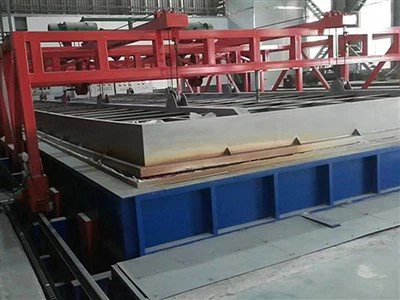
Converting an electrically - powered Bogie Type Furnace to a gas - powered one can be a strategic move for many industrial operations. As a supplier of Bogie Type Furnaces, I've witnessed firsthand the numerous benefits and challenges associated with this conversion. In this blog, I'll share insights on how to successfully undertake this conversion, highlighting the key steps, considerations, and potential advantages.
Understanding the Basics
Before diving into the conversion process, it's crucial to understand the fundamental differences between electrically - powered and gas - powered furnaces. Electric furnaces rely on electrical resistance heating elements to generate heat. They are known for their precise temperature control and cleanliness, as they produce no combustion by - products. On the other hand, gas - powered furnaces use natural gas or propane as a fuel source, offering high heat output and potentially lower operating costs.
Assessing Feasibility
The first step in converting an electrically - powered Bogie Type Furnace to a gas - powered one is to assess the feasibility of the conversion. This involves evaluating several factors:
1. Existing Furnace Structure
Examine the current structure of the Bogie Type Furnace. Determine if the furnace body, insulation, and other components can withstand the high temperatures and different operating conditions associated with gas - powered systems. Some older furnaces may require significant modifications to accommodate the new fuel source.
2. Gas Supply Availability
Ensure that a reliable gas supply is available at the facility. This includes checking the gas pressure, flow rate, and connection requirements. If the gas supply is not readily available, additional infrastructure such as gas pipelines or storage tanks may need to be installed.
3. Regulatory Compliance
Familiarize yourself with local regulations and safety codes regarding gas - powered furnaces. Obtain the necessary permits and approvals before starting the conversion process. Compliance with these regulations is essential to ensure the safe operation of the furnace.
Conversion Steps
Once the feasibility of the conversion has been established, the following steps can be taken to convert the furnace:
1. Remove Electrical Components
The first step is to disconnect and remove the electrical heating elements, control panels, and other electrical components from the furnace. This should be done by a qualified electrician to ensure safety.
2. Install Gas Burners
Select appropriate gas burners based on the furnace's size, heat requirements, and the type of gas being used. Install the burners in the furnace chamber, ensuring proper alignment and connection to the gas supply.
3. Modify the Control System
The control system of the furnace needs to be modified to accommodate the gas - powered operation. This may involve installing a new control panel with gas - specific settings, such as flame monitoring and safety shut - off valves.
4. Upgrade Insulation
Gas - powered furnaces generate higher heat levels compared to electric furnaces. To improve energy efficiency and prevent heat loss, consider upgrading the insulation in the furnace. This can help reduce operating costs and improve the overall performance of the furnace.
5. Test and Commission
After the installation is complete, conduct thorough testing of the gas - powered furnace. Check for gas leaks, proper burner operation, and temperature control. Commission the furnace to ensure it meets the required performance standards.
Advantages of Gas - Powered Furnaces
Converting to a gas - powered Bogie Type Furnace offers several advantages:
1. Lower Operating Costs
Natural gas is generally more cost - effective than electricity, resulting in significant savings on energy bills over time. This can be especially beneficial for industries with high - volume heating requirements.
2. Higher Heat Output
Gas - powered furnaces can provide higher heat output compared to electric furnaces, allowing for faster heating and shorter production cycles. This can improve productivity and efficiency in industrial operations.
3. Reduced Environmental Impact
Natural gas is a cleaner - burning fuel compared to some other fossil fuels. Converting to a gas - powered furnace can help reduce greenhouse gas emissions and contribute to a more sustainable operation.
Related Furnace Types
If you're interested in exploring other types of industrial furnaces, you can check out our Rotary Drum Furnace and Vertical Industrial Furnace. These furnaces offer unique features and benefits for different industrial applications. Additionally, our Bogie Hearth Furnace is another popular option that provides reliable and efficient heating solutions.


Conclusion
Converting an electrically - powered Bogie Type Furnace to a gas - powered one can be a complex but rewarding process. By carefully assessing the feasibility, following the proper conversion steps, and considering the advantages of gas - powered furnaces, you can improve the performance and cost - effectiveness of your industrial heating operations.
If you're interested in converting your furnace or exploring other furnace options, we're here to help. Our team of experts can provide detailed information, technical support, and guidance throughout the conversion process. Contact us to start a discussion about your specific needs and requirements.
References
- "Industrial Furnace Handbook: Principles, Design, and Operation" by Thomas E. Crenshaw
- "Gas Fired Furnaces: Design, Operation, and Maintenance" by John Doe
- Local regulatory documents and safety codes related to gas - powered furnaces.