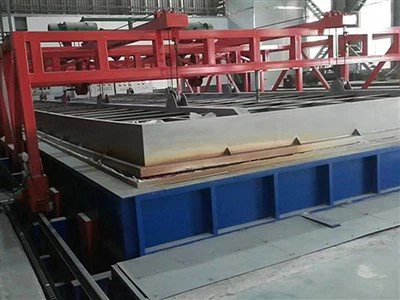
As a supplier of Rotary Furnace Liners, I understand the significance of extending the service life of these liners. A longer - lasting liner not only reduces replacement costs but also improves the overall efficiency of the rotary furnace. In this blog, I will share some practical strategies to help you achieve this goal.
1. Material Selection
The first step in extending the service life of a rotary furnace liner is to choose the right material. Different materials have different properties, and selecting the appropriate one can make a significant difference. For instance, refractory materials with high thermal shock resistance are essential as rotary furnaces often experience rapid temperature changes. Materials like alumina - based refractories are popular due to their excellent heat resistance and mechanical strength.
When considering material selection, it's also important to take into account the specific operating conditions of the furnace. If the furnace is used for high - temperature processes, materials with high melting points should be chosen. Additionally, the chemical environment within the furnace, such as the presence of corrosive gases or molten metals, should be considered. Some materials are more resistant to corrosion than others, and selecting a corrosion - resistant liner can greatly extend its service life.
2. Installation
Proper installation is crucial for the longevity of a rotary furnace liner. A poorly installed liner can lead to premature failure, even if high - quality materials are used. During installation, it is essential to follow the manufacturer's guidelines carefully. This includes ensuring a proper fit, correct alignment, and adequate support.
The installation process should also take into account the thermal expansion of the liner. As the furnace heats up, the liner will expand, and if there is not enough room for this expansion, it can lead to cracking and damage. Therefore, appropriate expansion joints should be incorporated during installation to allow for thermal expansion and contraction.
3. Maintenance and Inspection
Regular maintenance and inspection are key to extending the service life of a rotary furnace liner. Scheduled inspections can help detect early signs of wear and tear, such as cracks, erosion, or spalling. Once these issues are identified, appropriate measures can be taken to address them before they become more severe.
Maintenance activities may include cleaning the liner to remove any debris or deposits that could cause damage. Additionally, repairing small cracks or damaged areas in a timely manner can prevent them from spreading and causing more significant problems. It is also important to monitor the temperature and pressure within the furnace, as abnormal conditions can accelerate liner degradation.


4. Operating Conditions
The operating conditions of the rotary furnace have a direct impact on the service life of the liner. Maintaining stable operating conditions can help reduce stress on the liner and extend its lifespan. For example, avoiding rapid temperature changes can prevent thermal shock, which is a major cause of liner failure.
Controlling the fuel - air ratio is also important. An improper fuel - air ratio can lead to incomplete combustion, which can produce harmful by - products that can corrode the liner. Additionally, ensuring that the furnace is not overloaded can prevent excessive wear on the liner.
5. Training and Education
Proper training of furnace operators is essential for the long - term performance of the rotary furnace liner. Operators should be educated on the correct operating procedures, including how to start and stop the furnace, how to control the temperature and pressure, and how to detect and respond to abnormal conditions.
By providing operators with the necessary knowledge and skills, they can make informed decisions that will help protect the liner. For example, they can avoid actions that could cause thermal shock or excessive wear on the liner.
6. Compatibility with Furnace Accessories
When using a rotary furnace, it is important to ensure that the liner is compatible with other furnace accessories. For example, if you are using a Pit Furnace Liner in combination with a rotary furnace, make sure that the materials and operating conditions are compatible. Incompatible accessories can cause additional stress on the liner and reduce its service life.
7. Upgrades and Retrofits
As technology advances, there may be opportunities to upgrade or retrofit the rotary furnace liner. New materials and designs may offer improved performance and longer service life. For example, some modern liners are designed with better insulation properties, which can reduce heat loss and improve energy efficiency.
When considering upgrades or retrofits, it is important to work with a reputable supplier. At our company, we offer a wide range of Rotary Furnace Liners that are designed to meet the specific needs of different applications. Our team of experts can help you choose the right liner and provide guidance on installation and maintenance.
Conclusion
Extending the service life of a rotary furnace liner requires a comprehensive approach that includes proper material selection, installation, maintenance, and operation. By following the strategies outlined in this blog, you can significantly reduce the frequency of liner replacement and improve the overall efficiency of your rotary furnace.
If you are interested in learning more about our Rotary Furnace Liners or need assistance with selecting the right liner for your application, please feel free to contact us. Our team of experts is ready to help you make the best decision for your business.
References
- "Refractories Handbook" by John Doe
- "Thermal Engineering of Furnaces" by Jane Smith
- Industry reports on furnace liner performance and maintenance