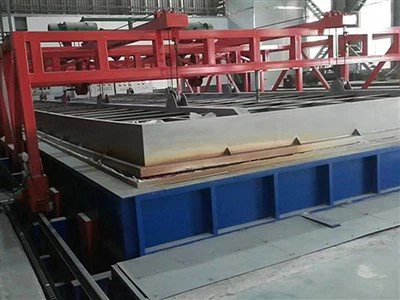
Hey there! I'm someone who works for an industrial furnaces supplier. Over the years, I've seen firsthand how important it is to reduce emissions from industrial furnaces. Not only is it good for the environment, but it can also save you some serious cash in the long run. So, let's dive into how we can make our industrial furnaces more eco - friendly.
Understanding the Problem
First off, we need to know where the emissions are coming from. Industrial furnaces burn fuels like natural gas, oil, or coal to generate heat. When these fuels are burned, they release a bunch of pollutants into the air, including carbon dioxide (CO₂), nitrogen oxides (NOₓ), and particulate matter. These emissions contribute to climate change, air pollution, and can have some pretty negative impacts on human health.
Upgrading Your Furnace Technology
One of the most effective ways to reduce emissions is by upgrading to more advanced furnace technology. For example, our Rotary Drum Furnace is designed with state - of - the - art combustion systems. These systems ensure that the fuel is burned more efficiently, which means less fuel is needed to achieve the same amount of heat. As a result, there are fewer emissions released into the atmosphere.
Another great option is our Horizontal Industrial Furnace. This type of furnace has a unique design that allows for better heat transfer and more uniform heating. This not only improves the quality of the products being processed but also reduces energy consumption and emissions.
The Bogie Hearth Furnace is also a top - notch choice. It's built with high - quality insulation materials that minimize heat loss. When less heat is lost, the furnace doesn't have to work as hard to maintain the desired temperature, which in turn reduces fuel consumption and emissions.
Optimizing Combustion
Proper combustion is key to reducing emissions. You want to make sure that the fuel is burning as completely as possible. One way to do this is by adjusting the air - to - fuel ratio. If there's too much air, the fuel won't burn efficiently, and you'll end up with more emissions. On the other hand, if there's too little air, the fuel won't burn completely, and you'll also have higher emissions.
Regular maintenance of the furnace is also crucial. This includes cleaning the burners, checking the ignition system, and ensuring that all the components are in good working order. A well - maintained furnace will burn fuel more efficiently and produce fewer emissions.
Implementing Energy Recovery Systems
Energy recovery systems are a great way to reduce emissions. These systems capture the waste heat from the furnace and use it for other purposes, such as pre - heating the incoming air or water. By reusing this waste heat, you can reduce the amount of fuel needed to heat the furnace, which in turn reduces emissions.
For example, some industrial furnaces are equipped with heat exchangers. These heat exchangers transfer the heat from the hot exhaust gases to the incoming air or water. This pre - heated air or water then requires less energy to reach the desired temperature, saving both energy and money.
Monitoring and Control
Monitoring the emissions from your industrial furnace is essential. You can use sensors to measure the levels of CO₂, NOₓ, and other pollutants in the exhaust gases. By continuously monitoring these levels, you can detect any changes or issues early on and take corrective action.
There are also advanced control systems available that can automatically adjust the furnace operation based on the emissions data. These systems can optimize the air - to - fuel ratio, adjust the burner settings, and even shut down the furnace if the emissions exceed a certain limit.
Employee Training
Your employees play a crucial role in reducing emissions from industrial furnaces. They need to be trained on proper furnace operation, maintenance, and energy - saving practices. Make sure they understand the importance of reducing emissions and how their actions can make a difference.


For example, they should know how to start and stop the furnace correctly, how to adjust the settings for optimal combustion, and how to identify and report any problems. Regular training sessions can help keep your employees up - to - date on the latest best practices.
Working with a Professional Supplier
As an industrial furnaces supplier, we have the expertise and experience to help you reduce emissions from your furnaces. We can provide you with the right furnace technology, offer maintenance services, and help you implement energy - saving measures.
If you're looking to upgrade your industrial furnace or want to learn more about reducing emissions, don't hesitate to reach out. We're here to work with you to find the best solutions for your specific needs. Whether you're in the manufacturing, metals, or any other industry that uses industrial furnaces, we can help you make your operations more sustainable and cost - effective.
In conclusion, reducing emissions from industrial furnaces is not only possible but also necessary. By upgrading your furnace technology, optimizing combustion, implementing energy recovery systems, monitoring and controlling emissions, training your employees, and working with a professional supplier, you can make a significant impact on the environment and your bottom line. So, if you're ready to take the next step in reducing emissions from your industrial furnaces, get in touch with us today. Let's work together to create a cleaner, greener future.
References
- Various industry reports on industrial furnace emissions and energy efficiency.
- Technical manuals and specifications of industrial furnaces.