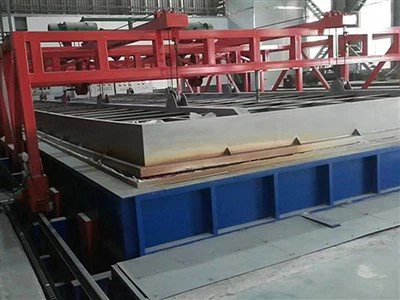
Calcination is a crucial process in various industries, such as metallurgy, ceramics, and chemical engineering. It involves heating materials to high temperatures to bring about physical and chemical changes. A rotary gas fired furnace is a popular choice for calcination due to its efficiency, flexibility, and ability to handle a wide range of materials. As a supplier of Rotary Gas Fired Furnaces, I have extensive experience in this field and would like to share the key points of using such a furnace for calcination.
1. Understanding the Basics of a Rotary Gas Fired Furnace
A rotary gas fired furnace consists of a rotating cylindrical chamber that is heated by gas burners. The rotation of the chamber ensures uniform heating of the materials inside. The furnace is designed to operate at high temperatures, typically ranging from several hundred to over a thousand degrees Celsius, depending on the specific requirements of the calcination process.
The gas burners are a critical component of the furnace. They provide the heat necessary for the calcination process. The type of gas used can vary, but natural gas is a common choice due to its availability and relatively low cost. The burners are carefully designed to ensure efficient combustion and uniform heat distribution within the furnace chamber.
2. Material Selection and Preparation
The choice of materials for calcination is a crucial factor. Different materials have different calcination requirements, such as temperature, heating rate, and residence time. For example, in the ceramic industry, materials like clay and kaolin are often calcined to improve their physical and chemical properties. These materials need to be properly prepared before being introduced into the furnace.
Preparation may involve crushing, grinding, and sieving to ensure a uniform particle size. This helps in achieving consistent heating and better calcination results. Additionally, the moisture content of the materials should be controlled. Excess moisture can cause problems during the calcination process, such as uneven heating and potential damage to the furnace.


3. Temperature Control
Temperature control is one of the most important aspects of using a rotary gas fired furnace for calcination. Precise temperature control is essential to ensure that the materials are calcined at the optimal temperature for the desired chemical and physical changes.
Modern rotary gas fired furnaces are equipped with advanced temperature control systems. These systems use sensors to monitor the temperature inside the furnace and adjust the gas flow to the burners accordingly. The heating rate also needs to be carefully controlled. A too rapid heating rate can cause thermal shock to the materials, leading to cracking or other forms of damage.
4. Rotation Speed
The rotation speed of the furnace chamber is another key factor. The rotation ensures that the materials are evenly exposed to the heat. A proper rotation speed helps in preventing the formation of hot spots and ensures uniform calcination.
The optimal rotation speed depends on several factors, including the type of material, the size of the furnace, and the desired calcination time. Generally, a slower rotation speed is preferred for materials that require a longer residence time in the furnace, while a faster rotation speed may be suitable for materials that can be calcined more quickly.
5. Gas Supply and Combustion Efficiency
A stable and reliable gas supply is essential for the proper operation of a rotary gas fired furnace. The gas pressure and flow rate need to be carefully regulated to ensure efficient combustion. Inefficient combustion can lead to incomplete burning of the gas, resulting in wasted energy and the production of pollutants.
To improve combustion efficiency, modern furnaces are equipped with advanced burner designs and control systems. These systems optimize the air - fuel ratio, ensuring that the gas is burned as completely as possible. Additionally, proper maintenance of the burners is crucial to ensure their long - term performance.
6. Safety Considerations
Safety is of utmost importance when using a rotary gas fired furnace. The high temperatures and the use of gas pose potential risks, such as fire, explosion, and exposure to harmful gases.
Proper safety measures should be in place, including the installation of safety valves, pressure sensors, and fire suppression systems. Operators should be trained on the safe operation of the furnace, including how to handle emergencies. Regular maintenance and inspections are also necessary to ensure that the furnace is in good working condition and to identify any potential safety hazards.
7. Emission Control
In today's environmentally conscious world, emission control is a significant concern. Rotary gas fired furnaces can produce emissions such as carbon monoxide, nitrogen oxides, and particulate matter.
To meet environmental regulations, modern furnaces are designed with emission control systems. These systems may include filters, scrubbers, and catalytic converters to reduce the amount of pollutants released into the atmosphere. By using these technologies, the environmental impact of the calcination process can be minimized.
8. Maintenance and Long - Term Performance
Regular maintenance is essential to ensure the long - term performance of a rotary gas fired furnace. This includes cleaning the furnace chamber, inspecting the burners, and checking the control systems.
Over time, the components of the furnace may wear out and need to be replaced. By performing regular maintenance, the lifespan of the furnace can be extended, and its efficiency can be maintained. Additionally, proper maintenance can help prevent breakdowns and costly repairs.
9. Comparison with Other Furnace Types
When considering a furnace for calcination, it is important to compare the rotary gas fired furnace with other types of furnaces, such as Well Type Gas Furnace and Gas Trolley Furnace.
Well Type Gas Furnaces are often used for smaller - scale calcination processes. They have a vertical design and are suitable for materials that require a more static heating environment. Gas Trolley Furnaces, on the other hand, are used for larger - scale operations and are designed to handle heavy loads. They are more suitable for batch - type calcination processes.
In comparison, the rotary gas fired furnace offers several advantages. It provides better heat distribution due to the rotation of the chamber, which results in more uniform calcination. It is also more flexible in terms of the types of materials it can handle and the calcination processes it can support.
Conclusion
Using a rotary gas fired furnace for calcination requires careful consideration of several key points, including material selection, temperature control, rotation speed, gas supply, safety, emission control, and maintenance. By understanding and implementing these key points, you can ensure efficient and effective calcination processes.
If you are in the market for a high - quality Rotary Gas Fired Furnace, we are here to help. Our team of experts can provide you with the best solutions for your specific calcination needs. Contact us to start a discussion about your requirements and to explore how our Rotary Gas Fired Furnaces can benefit your operations.
References
- Smith, J. (2018). Industrial Furnaces: Principles and Applications. Elsevier.
- Johnson, A. (2020). Calcination Processes in Materials Science. CRC Press.